Defensive Wall
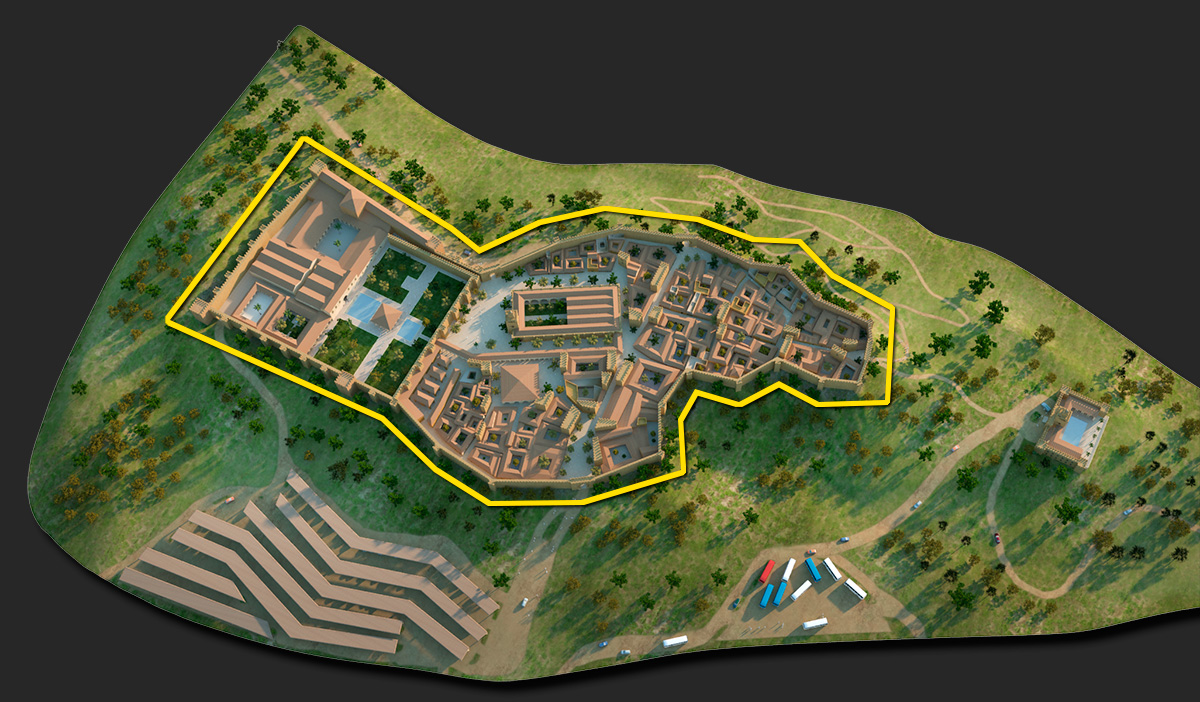
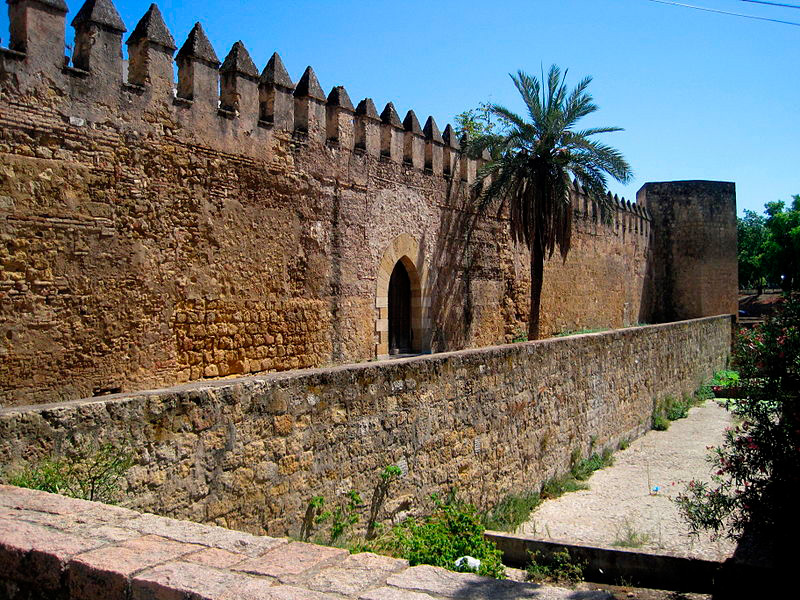
The completely walled fortress city reflects the feeling of insecurity experienced by the medieval man.
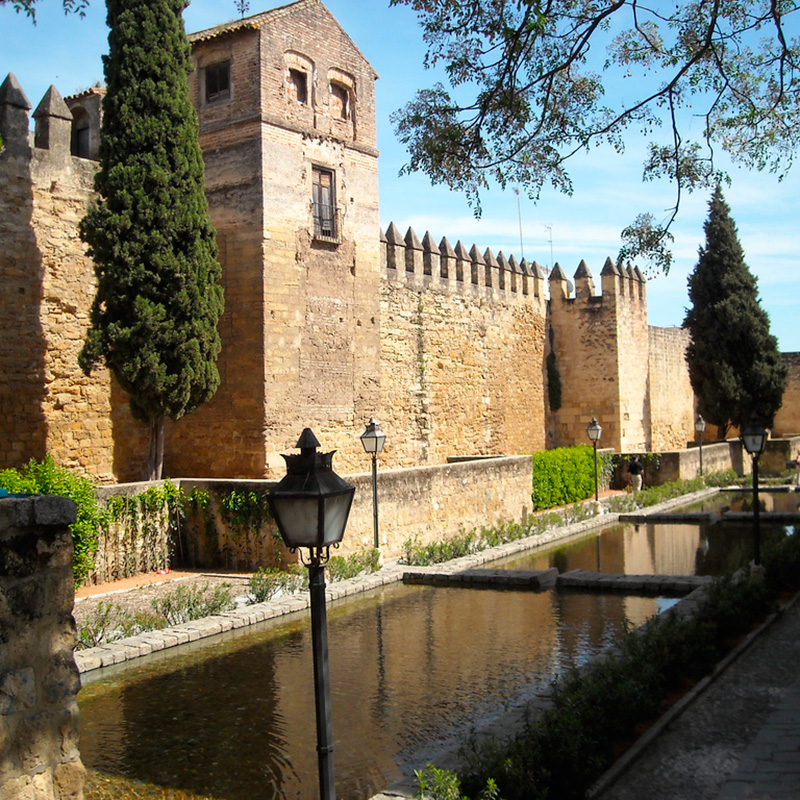
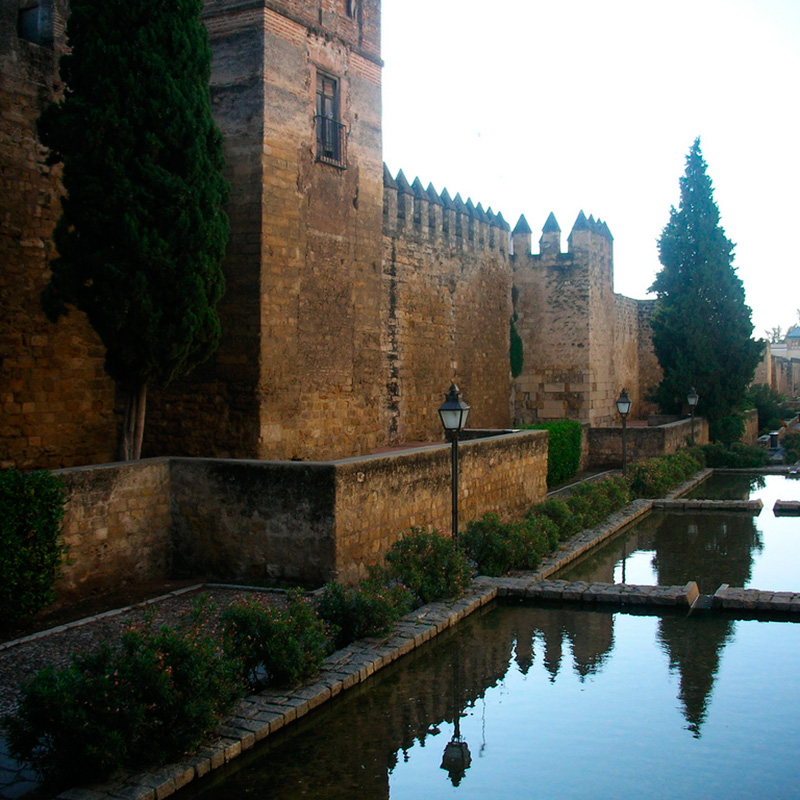
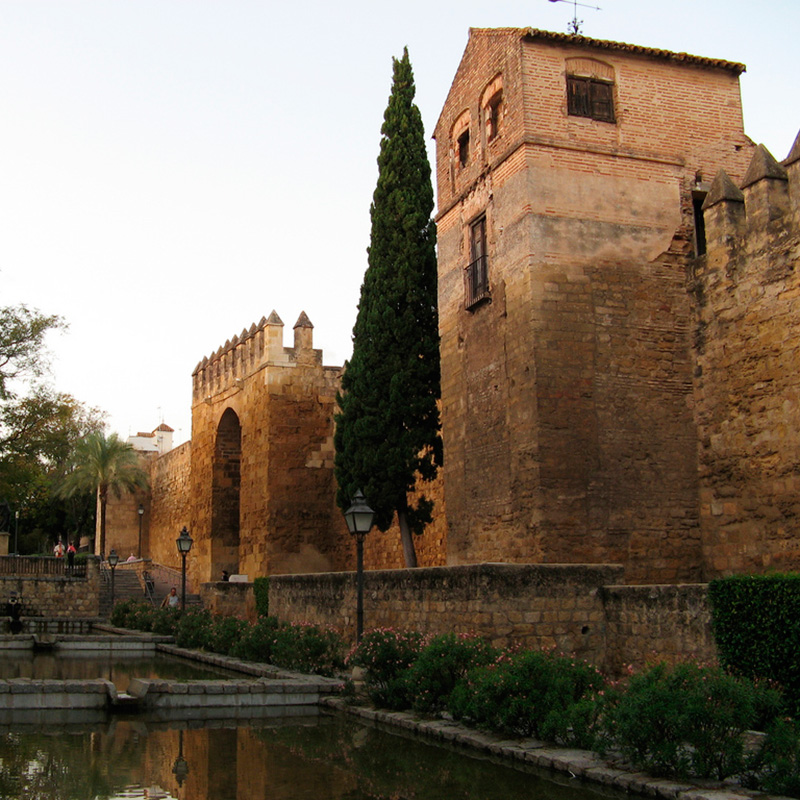
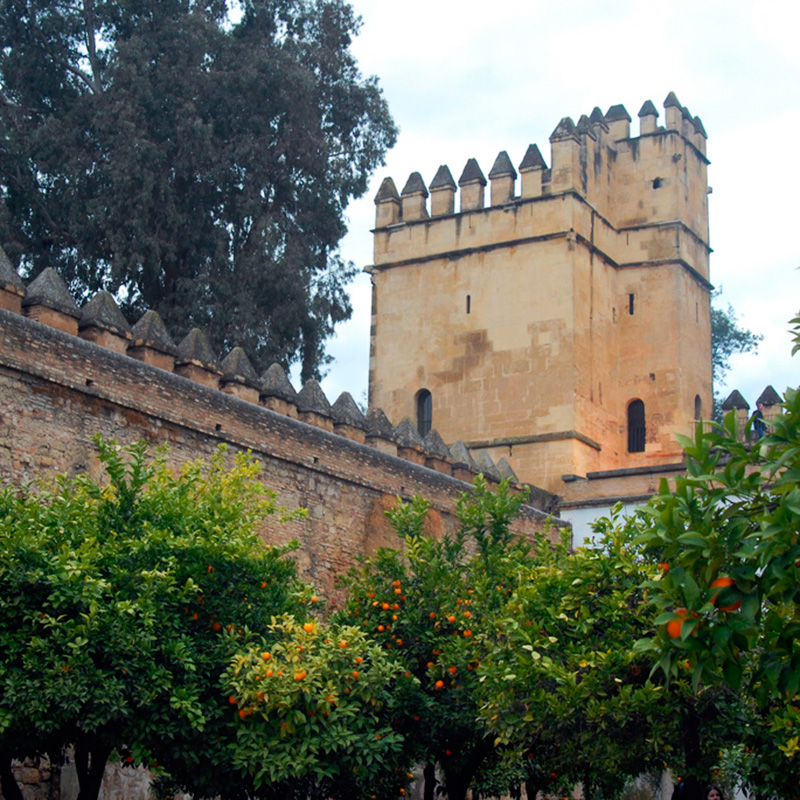
The Andalusi system of fortification was characterised by the incorporation of a number of defensive elements apart from the curtain wall, namely the barbicans, the “albarrani” watchtower and the angled doorways.
Barbicans
Low antemural, with or without towers, that partially or totally surrounds the curtain wall to the city. The true defensive element was the space or fosse between the two walls and this was what was called the barbican. Said term also applied to the antemural. Its function was to prevent the enemy from directly attacking the curtain wall.
Albarrana Tower
Watchtower which extends outward more than normal. Always located outside the walled city, these towers served as a lookout for the vigilance and defence of the city. They could also be connected to the curtain wall by another wall, bridge or underground passageway.
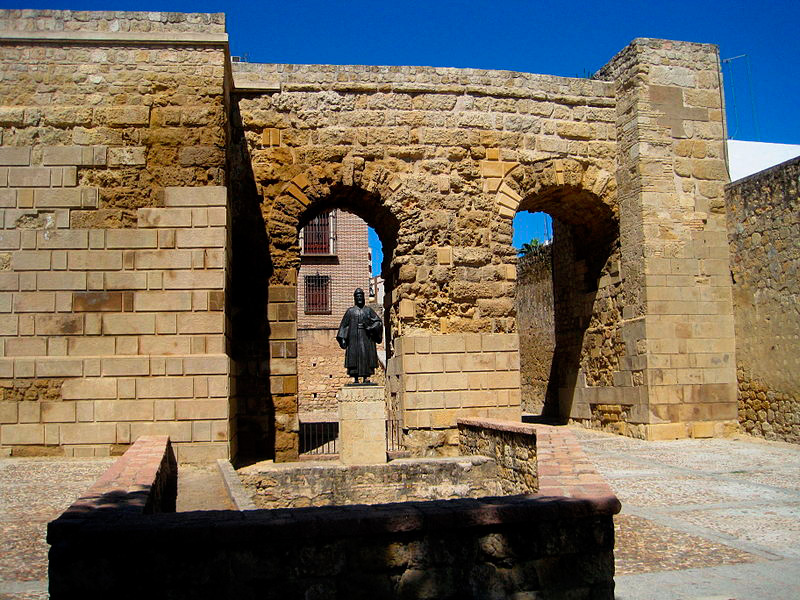
Angled doorways
Defensive system to prevent access by the enemy, consisting of right-angled access through the doorway before entering an open space inside. The doorways were defended by strong gates at each entry point, trapping the enemy inside, where he was overcome by the defence.
Coracha
Wall running perpendicular to the curtain wall, the purpose of which was to ensure a supply of water in the event of siege. The coracha extended to the river where an Albarrana tower not only protected the water supply, but also served as a defensive bastion for the city or castle.
Wall construction technique
The materials used basically in the construction of the walls were stone and earth while brick was sometimes used.
The technique for making the large blocks that would comprise the wall consisted of the fabrication of formwork wooden block moulds with different planks. The large block was fixed with ropes to give consistence to the mould. The spaces left on the sides were also covered with wood. The building components, such as earth, gravel, stone and lime, and other components, like fragments of pottery, were then poured into the fabricated moulds.