Souc
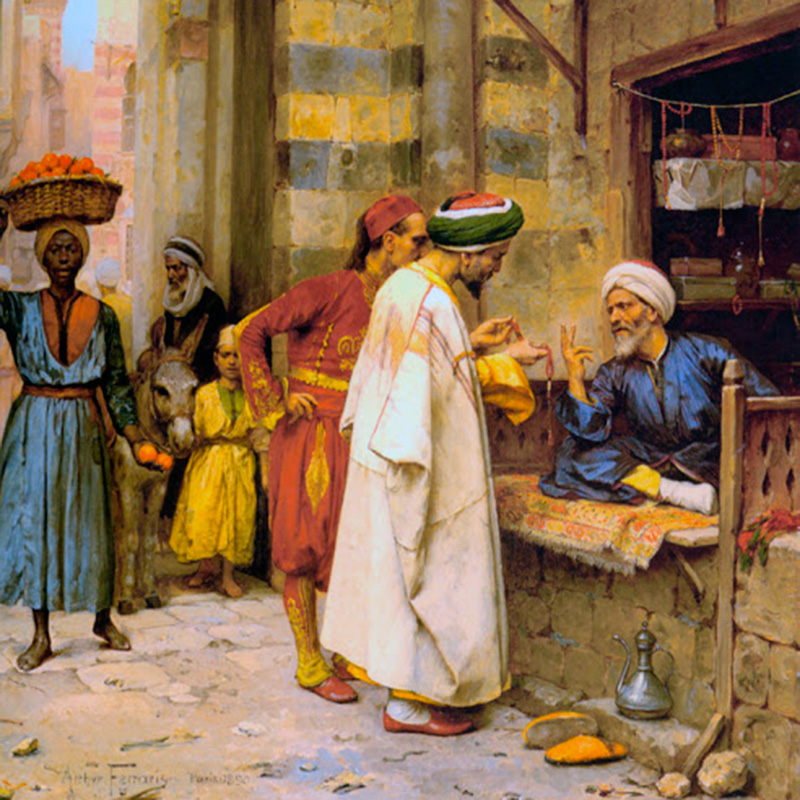
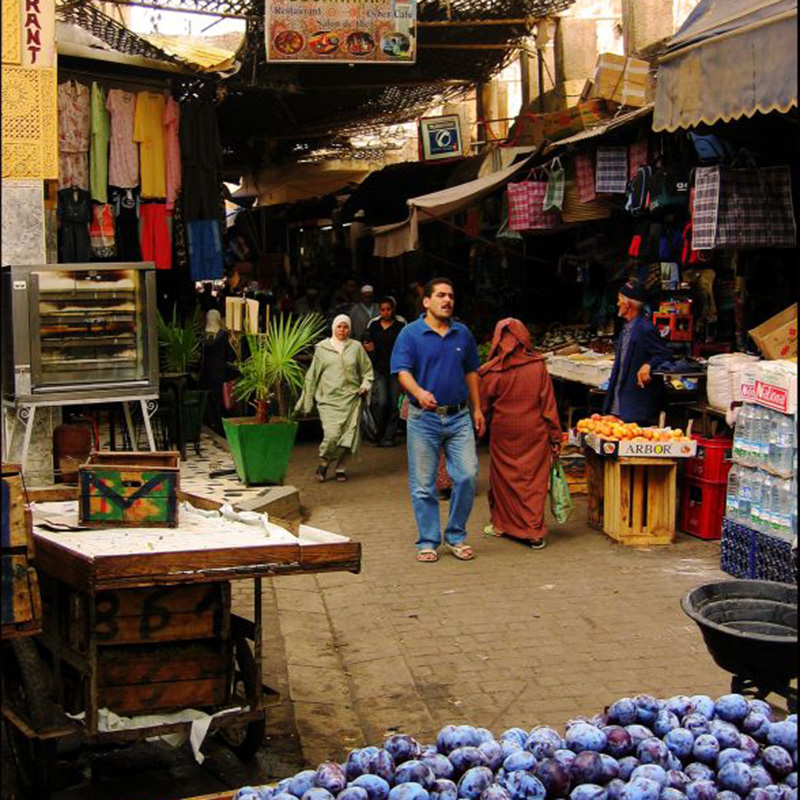
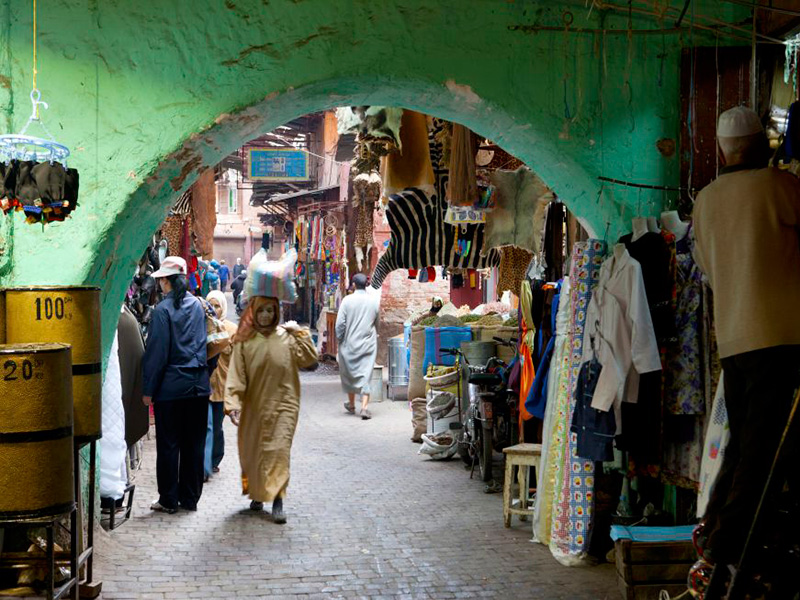
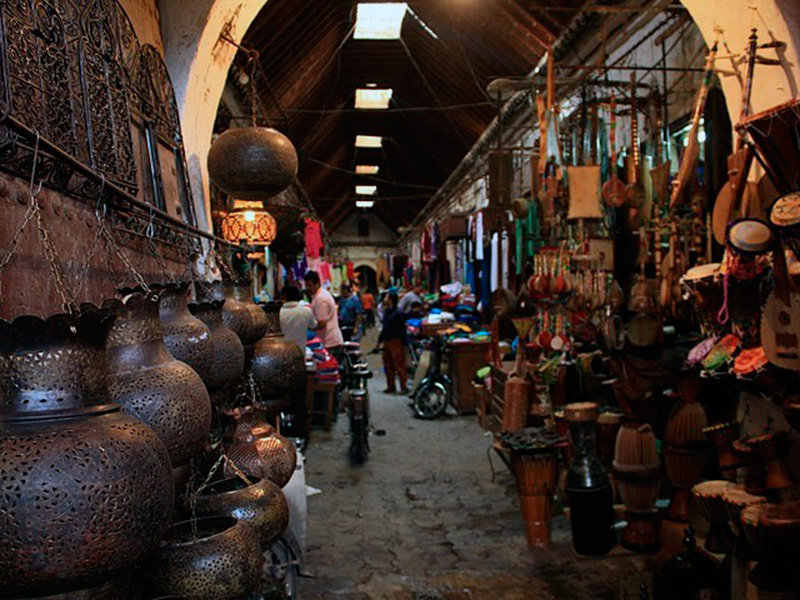
The open-air market – suq – was the commercial area within the walled city. It comprised a number of streets where goods were traded and a variety of goods and products were crafted.
As well as meeting basic needs, the commercial activity in this time comprised an activity inherent in the Muslim population to such a point that a medina was not considered to be such if it did not have a permanent market or souc.
In spite of the chaotic sensation that life in the souc might portray, everything about it was regulated.
The location and structure of a souc varied depending on the city but, as a general rule, it was located in the centre and relatively near the mosque. A peculiarity of soucs is that the activities generating much noise or that were considered to be polluting (such as the crafting of fabrics and pottery) were located in the extramural suburbs.
The market stalls were structured according to trades. Many stalls of the same trade might occupy a complete street. The more elite trades, such as binding and perfumes, were usually located closer to the mosque, the preferential area.
The role of the hisba – of the congregation – deserves special attention. He was a kind of supervisor of the souc whose function was to condemn bad practices in general and fraudulent commercial practices in particular.
Apart from the souc, there were other commercial points in the medina, located very near the city gates and some others outside the gates, though the latter were not permanent stands. These soucs were especially supervised since it was generally considered that almost everything sold at these stalls derived from theft (hides, beef, and so forth).
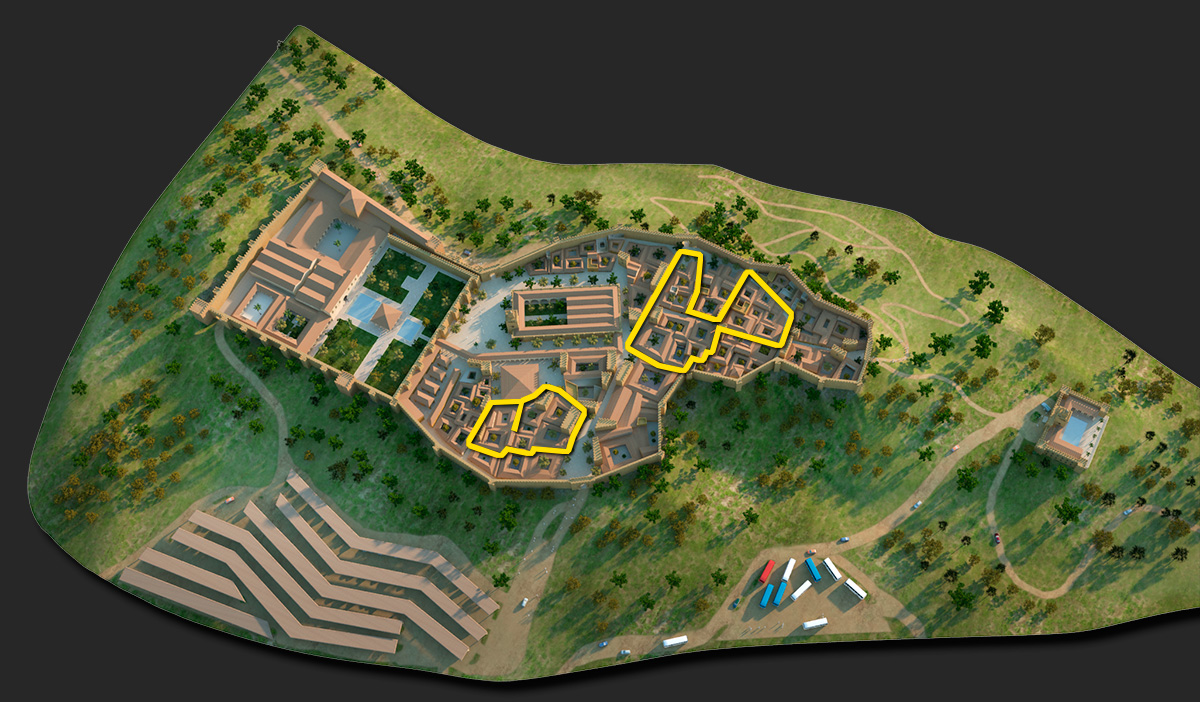
The bustling market of Ciudad Al-ManSur is full of alleyways where the different and characteristic art and craft shops are located and where the methods and tools of their times are used.
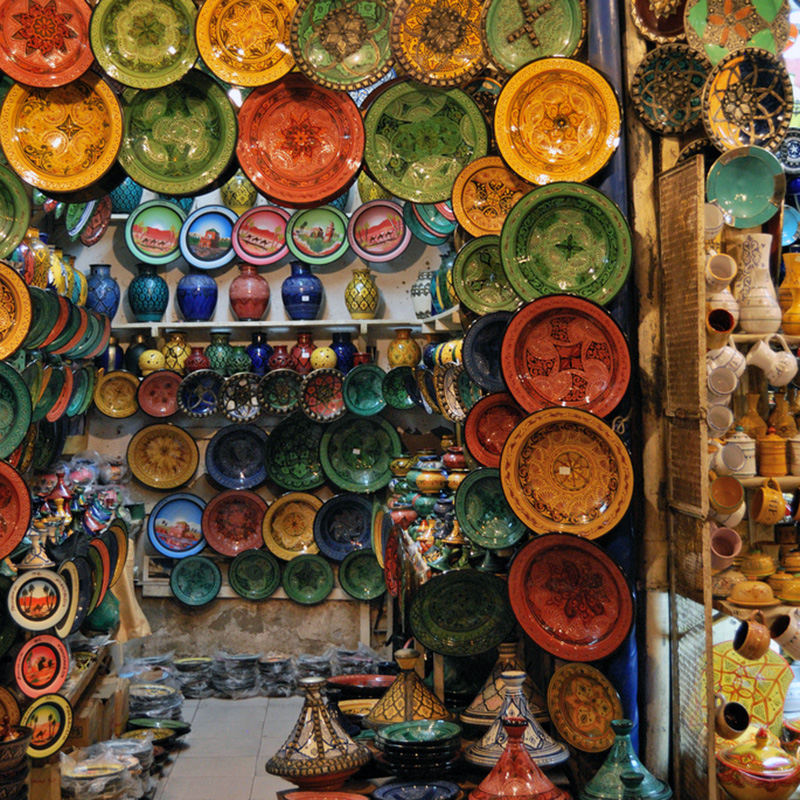
These shops include a chemist’s, an Umayyad perfume shop, a jewellery and silverware shop, a blacksmith’s as well as pottery, cloth and dress shops and so forth.
The visitor will marvel at the most typical characters: a perfume seller spraying essence on passers-by, the water seller, story tellers, a patrol of soldiers and other surprises that we do not want to reveal just yet.