Sabat
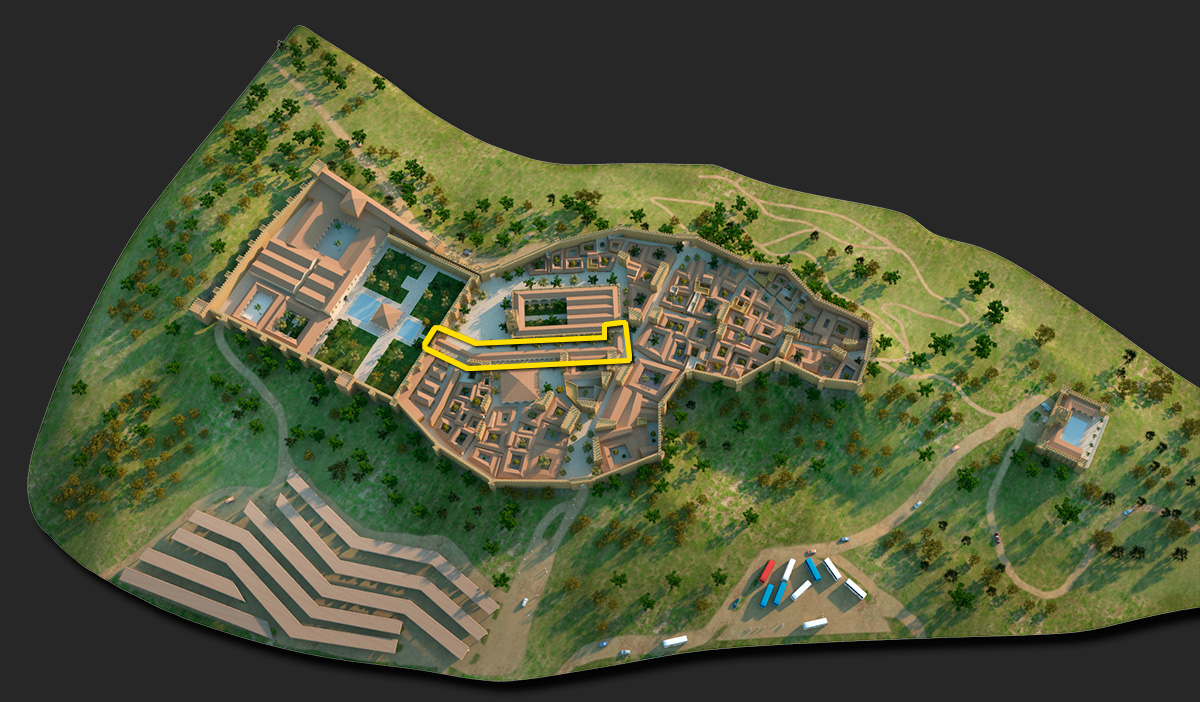
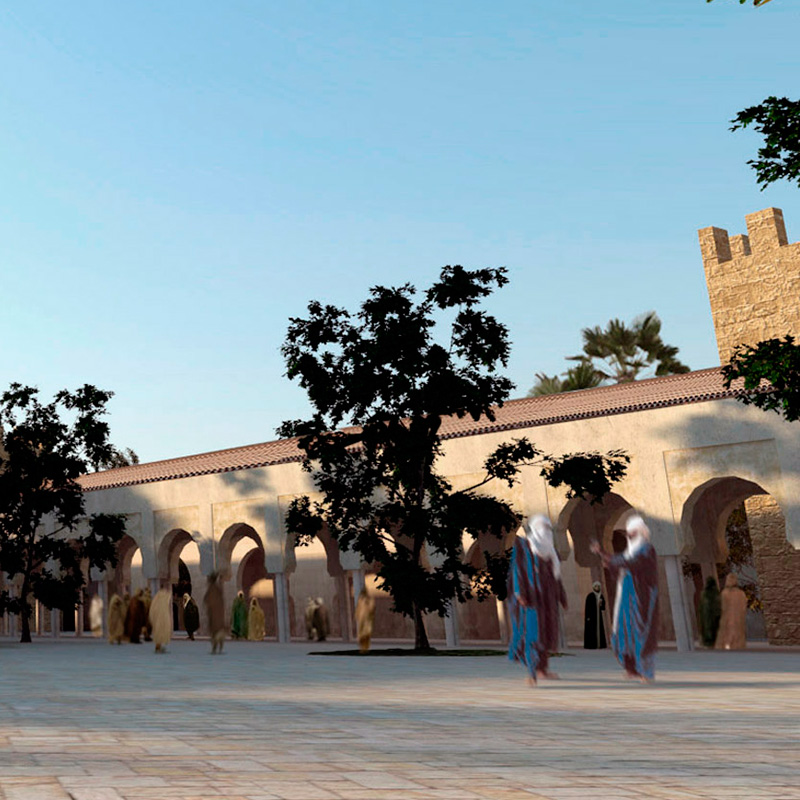
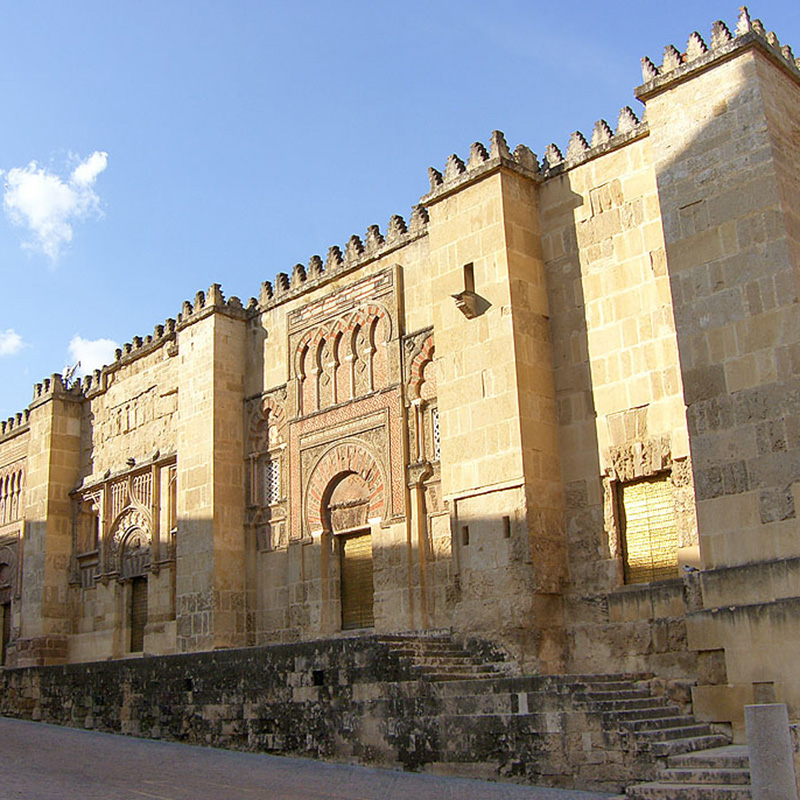
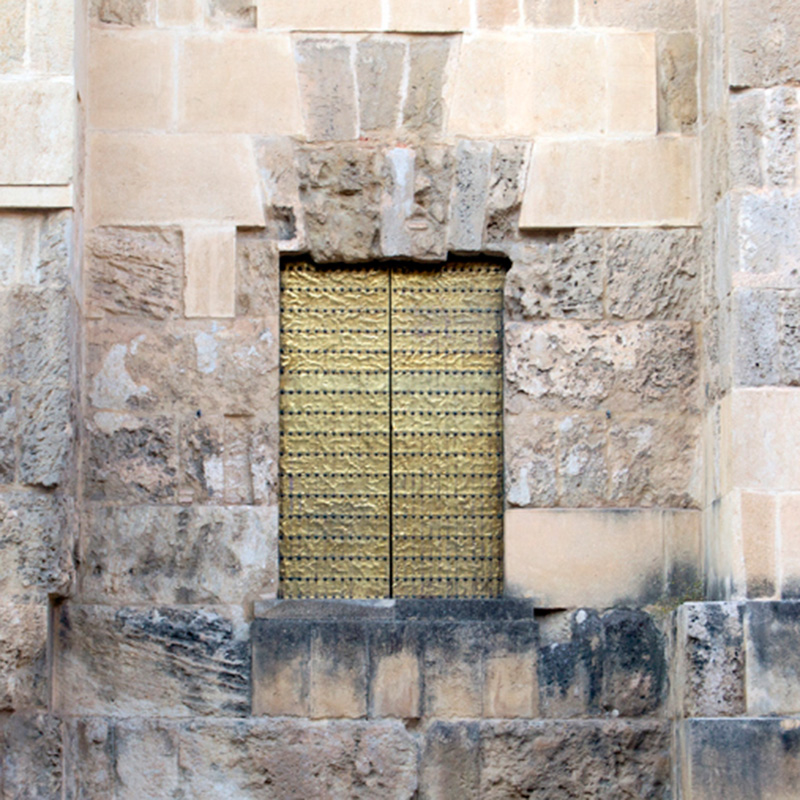
A skyway that connected the palatine residence to the great mosque: a kind of security passageway for the emir or caliph.
This skyway or sabat was used as a bridge between the palace and the mosque so that the caliph could cross over without any inconvenience and without endangering his life.
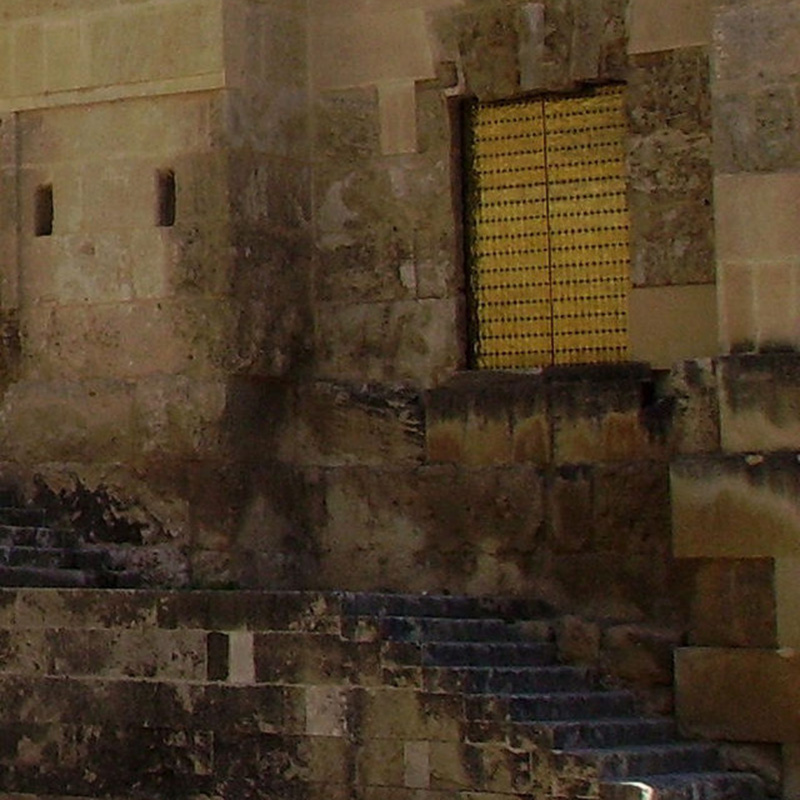
Although the Cordovan ruler could go at any time to the great mosque to pray, he normally only did so for the Friday prayer at midday. He arrived in the company of his entourage and the top state dignitaries, chamberlains and advisers as well as the cadis, police heads and the sahib al-madina or prefect of the city, all of whom had access to the maqsura to pray together with the emir or caliph. While they prayed, the doors were kept closed and protected.
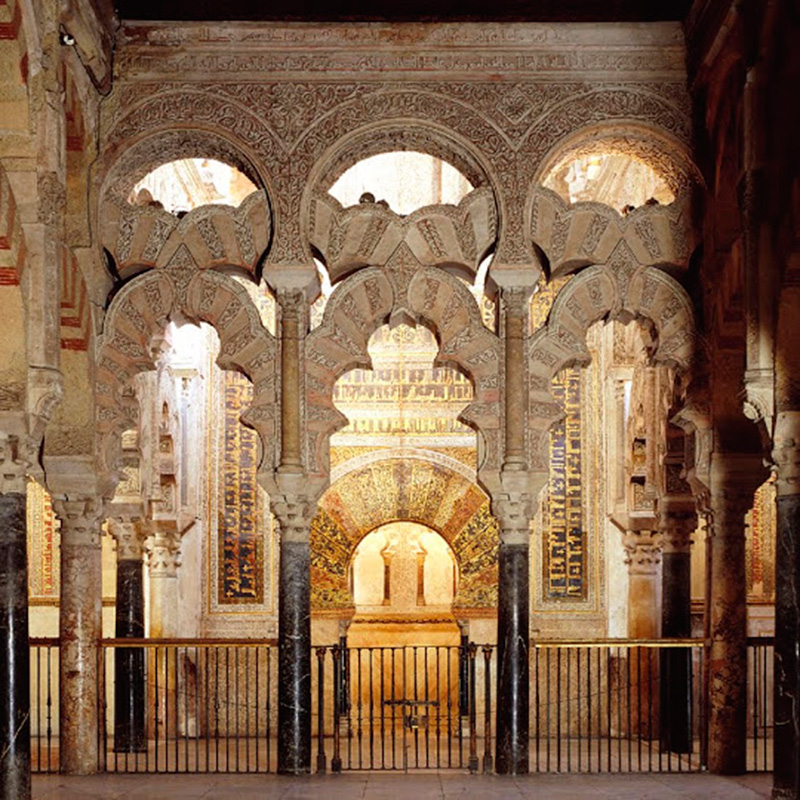
The maqsura
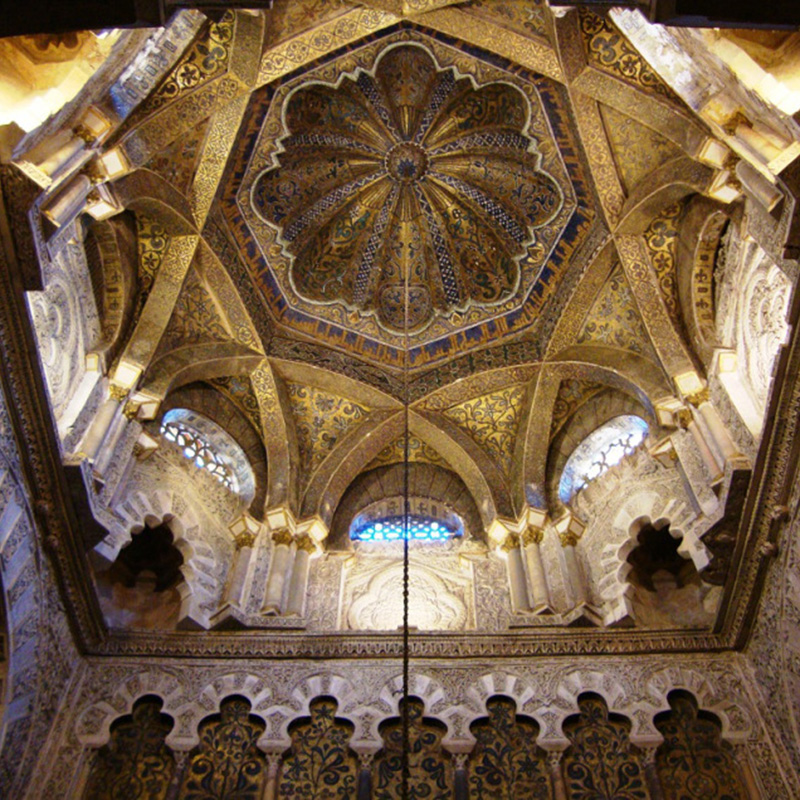
Enclosure in the mosque reserved for the caliph. It was introduced by the Umayyad caliphs in the East in the early 8th Century and its main function was to isolate the ruler from the rest of the congregation and protect him from any possible attacks. The sabat became an efficient complement to the maqsura.
The first Moorish sabat was built under the orders of the emir Abd Allah (888-912) and connected the Alcazar to the Great Mosque of Cordoba.
With the extension of the Great Mosque of Cordoba in the 10th Century, the caliph, al-Hakam II, ordered the construction of a second maqsura that led to a passageway connecting the alcazar with the mosque and that had several rooms for the use of the caliph.